
If your property sits on a slope, a retaining wall can turn hard-to-use ground into level, stable space that holds up through heavy rain. Choosing a retaining wall contractor in Austin is one of the most important decisions in that project. The builder you hire determines how the wall is engineered, how water moves behind it, and how well it holds up over the years.
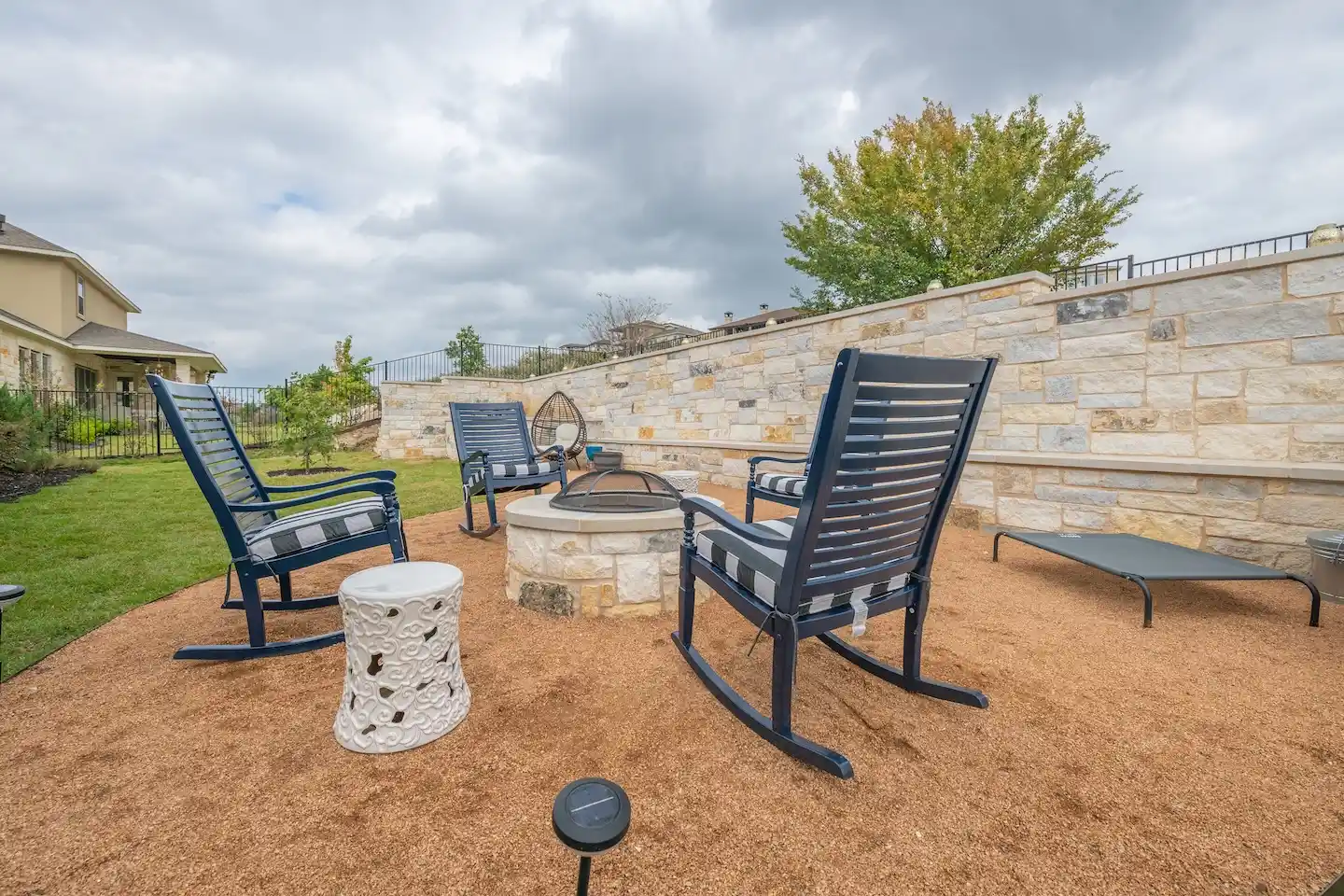
Austin’s rolling terrain and clay-heavy soils put real demands on a retaining wall, and you can learn a lot about a builder before any digging starts. This guide covers what to look for, which questions to ask, and the kind of quality you can trust so that you can get a wall that serves your property for years to come.
Why the Builder You Hire Shapes How Long Your Wall Lasts
A retaining wall holds back soil that naturally wants to move downhill, and that soil gets heavier when it’s wet. Central Texas clay also expands and contracts as moisture levels change, which adds pressure behind the wall season after season. A wall that isn’t designed for those conditions can lean, crack, or fail within a few years.
Much of what keeps a wall standing is hidden once the project is finished. The footing, the reinforcement, and the drainage system all sit below grade or behind the face of the wall. That’s why your contractor’s experience and methods matter as much as the material you choose. A skilled builder evaluates your soil, slope, and drainage before recommending a system, then builds each of those hidden elements to suit your site. That site-first evaluation is the starting point for our retaining wall construction in Austin.
Qualities Shared by the Top Retaining Wall Contractors in Austin, TX
As you look at retaining wall builders in Austin, TX, a few qualities help identify the strongest candidates. Look for a contractor who offers:
- Local site knowledge. Builders who work regularly in the Hill Country understand how local soils behave on a slope and how heavy rain moves across a property. That knowledge shapes decisions from footing depth to drainage layout.
- Experience with multiple wall systems. Natural limestone, reinforced double CMU, and steel each suit different sites, styles, and budgets. A contractor who builds several systems can match the right one to your grade and soil. You can learn more about each option in our guide to limestone, double CMU, and steel retaining walls.
- Design capability. A retaining wall shapes how your yard looks and functions. A contractor with design experience can plan a wall that suits your home, your grade, and the way you want to use the space.
- A portfolio of completed walls. Photos of finished projects, ideally on sites similar to yours, show you the builder’s craftsmanship and range.
- Clear communication. After your first conversations, you should understand the scope, the process, and what happens next.
Questions to Ask During Your Consultation
A consultation is your best opportunity to understand how a contractor approaches a project. It helps to bring a list of questions and note how thoroughly each one is answered. Useful questions include:
- Will you visit my property before providing a proposal?
- How will you evaluate the soil and drainage on my site?
- Which wall system would you recommend for my slope, and why?
- What type of footing and drainage will be built behind the wall?
- Will the wall need engineering or a permit based on its height and location?
- Can I see photos of walls you’ve built on similar properties?
- Who will be on site during construction, and how will you keep me updated?
A contractor who welcomes these questions and answers them in plain terms is showing you how they’ll communicate once the project is underway.
Signs You’ve Found the Right Fit
By the end of your consultation and site visit, you should have a good sense of whether a contractor is right for your project. A strong fit usually shows up in a few ways. The contractor took time to walk your property and asked about your goals for the space. They explained how the wall will handle drainage and why they recommended a particular system for your slope and soil. Their answers were clear, and you know what the timeline looks like and who will be on site.
When those pieces are in place, you can move forward knowing your wall is being planned around your property’s specific conditions.
How J&L Hardscapes Builds Retaining Walls Across the Hill Country
Since 2018, J&L Hardscapes has served homeowners throughout Austin, Bee Cave, Cedar Park, Dripping Springs, Georgetown, Lakeway, Round Rock, West Lake Hills, and the surrounding communities. Our team brings more than 25 years of combined experience to every project.
Our process starts with a paid consultation to talk through your goals and budget. Next comes an on-site visit, where we see your property firsthand and refine the project scope. We evaluate soil and drainage on every retaining wall project before recommending a system, and every wall we build includes an engineered footing and drainage system behind it.
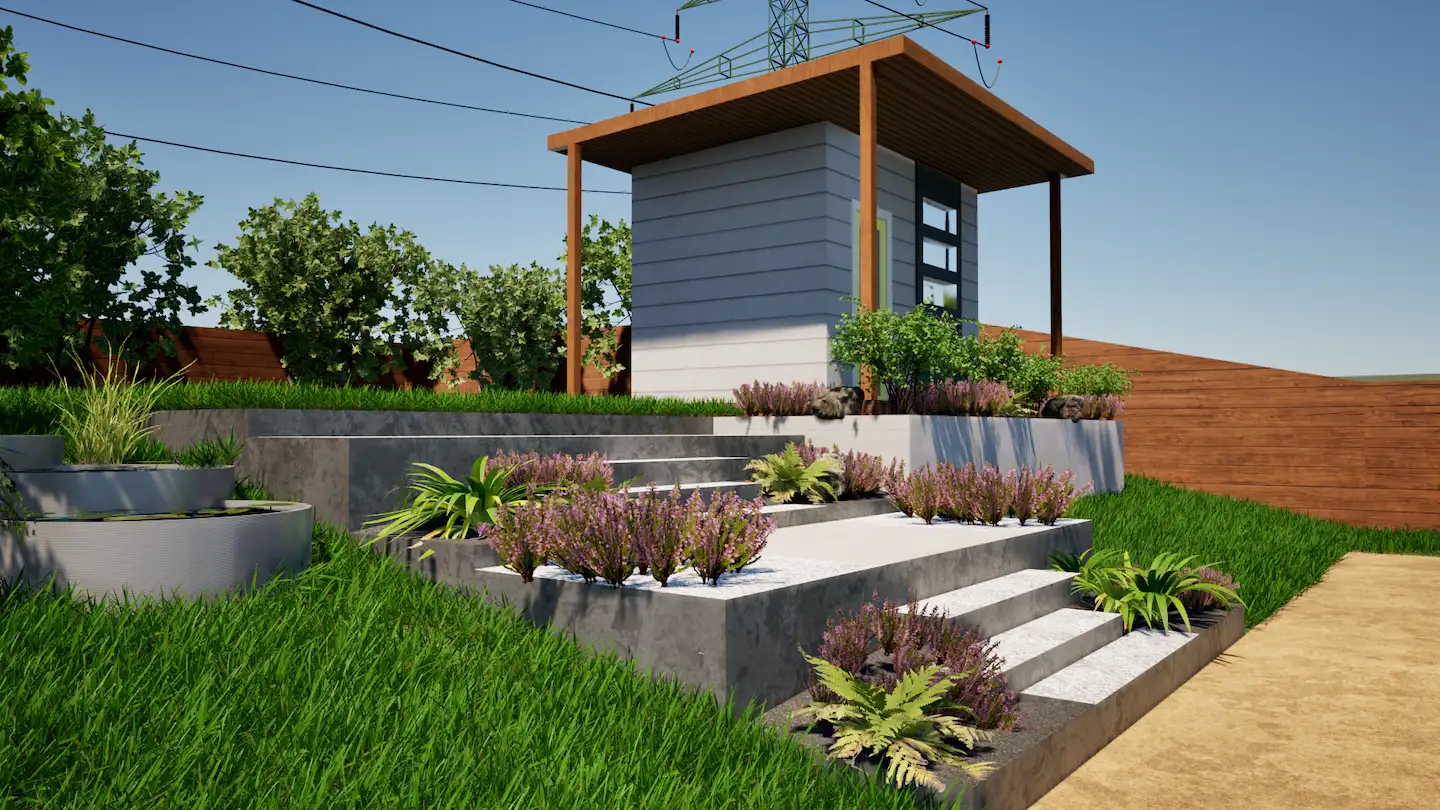
From there, our designers create a 3D model of your project, complete with still images and a video walkthrough, so you can see the finished result and share feedback before construction begins. We build natural limestone, reinforced double CMU, and steel retaining walls, and we manage each project from consultation through installation.
Frequently Asked Questions
How do I know if my yard needs a retaining wall?
Common signs include soil washing away during heavy rain, a slope that’s too steep to use or maintain, or a need for level, usable ground on a sloped lot. A site visit from an experienced contractor can confirm whether a wall is the right solution.
Which retaining wall material works best in Austin?
It depends on your slope, soil, style, and budget. Natural limestone complements the look of the Hill Country. Reinforced double CMU pairs an engineered block core with your choice of facade, and steel works well on steep grades and tight lots.
How long does it take to build a retaining wall?
Timelines depend on the wall’s size, system, and site access. Your contractor should be able to give you an estimated schedule once they’ve seen your property.
Ready to Talk Through Your Slope?
If you’re getting ready to hire, here’s a simple way to approach it:
- Look for builders with Hill Country experience and a portfolio of completed retaining walls.
- Schedule a consultation and an on-site visit.
- Bring your list of questions about soil, drainage, and wall systems.
- Review the proposal closely and ask about anything that’s unclear.
- Move forward with the team that understands your site and communicates clearly.
If you’re planning a retaining wall in Austin or the surrounding Hill Country, contact J&L Hardscapes to schedule a consultation. We’ll walk your property with you and help you choose a wall that suits your slope, your style, and your budget.